Arkansas draws visitors for its Ozark Mountain trails, Delta blues heritage, natural hot springs, and vast stretches of river country - yet finding the right hotel here means understanding how spread-out the state really is. This guide cuts through the noise and helps you pick the right property based on where you're going, what you need, and when you're traveling.
What It's Like Staying in Arkansas
Arkansas is a state defined by geographic contrast - from the forested Ozarks in the north to the flat Mississippi Delta in the east and the spa resort culture of Hot Springs in the southwest. Most attractions are car-dependent, so your hotel's parking situation matters as much as its amenities. Cities like Little Rock function as regional hubs, while smaller towns like Stuttgart or Carlisle serve road-trippers and hunters passing through the Delta corridor. Travelers used to dense, walkable urban hotel districts will find Arkansas requires more planning between stops, but those seeking lower crowd density and accessible nature will be well rewarded.
Hotel rates in Arkansas sit well below the national average, making it one of the more affordable states for extended stays in the South.
Pros:
- Low hotel pricing compared to most U.S. states, with solid value across budget and mid-range tiers
- Free parking is nearly universal, a major practical advantage for road-trip itineraries
- Proximity to natural landmarks - Hot Springs, Buffalo National River, Crater of Diamonds - with minimal crowds at surrounding hotels
Cons:
- Public transportation between cities is extremely limited; a car is non-negotiable for most itineraries
- Dining and entertainment options near smaller-town hotels can be scarce after 9 PM
- Some rural highway hotels show inconsistent maintenance standards despite recognized brand names
Why Choose These Hotels in Arkansas
The hotels covered in this guide span branded mid-range properties - Best Western Plus, Days Inn, Quality Inn, and Econo Lodge - which make up the practical backbone of Arkansas's hospitality market. These properties prioritize road-trip functionality: free parking, indoor pools, breakfast access, and 24-hour front desks. Room sizes in Arkansas hotels tend to run larger than equivalent-tier properties in major metro areas, often including full suites with kitchen amenities at the same price point. The trade-off is that most lack walkable surroundings, requiring a car to reach restaurants or activities. For travelers focused on value and logistical convenience over nightlife or pedestrian access, this category delivers above its price tier in the Arkansas market.
Pros:
- Indoor pools and breakfast packages are standard inclusions, not upgrades
- Disability access facilities are available across multiple properties - important for family or senior travel
- Business centers and reliable free WiFi make these workable for bleisure travelers on interstate routes
Cons:
- No properties in this guide sit within walkable distance of major urban dining or entertainment
- Brand-tier hotels in rural Arkansas can have limited F&B options on-site beyond breakfast
- Fewer luxury or boutique options exist in smaller Arkansas towns for travelers seeking design-forward stays
Practical Booking & Area Strategy
Little Rock is the most strategically central base in Arkansas, with Clinton National Airport connecting to major hubs and interstate access to both the Ozarks and the Delta. For travelers targeting eastern Arkansas - including the Delta blues trail or wildlife hunting areas - properties in Marion (just across the Mississippi from Memphis) or Stuttgart offer direct access without the Little Rock detour. Stuttgart sits at the heart of Arkansas's duck hunting corridor, making it a hotspot during November and December when hotel availability tightens significantly. Carlisle, located on I-40 between Little Rock and Memphis, serves best as an overnight stop rather than a base. For Hot Springs National Park, travelers should note that none of the hotels in this guide are positioned there, so an additional drive of around 90 minutes from Little Rock should be factored in. Book at least 3 weeks ahead for fall weekends, especially in the Delta region, where hunting season and festival events spike demand sharply.
Best Value Stays
These properties offer strong practical value for budget-conscious travelers and road-trippers moving through Arkansas's main corridors, with key amenities included at accessible price points.
-
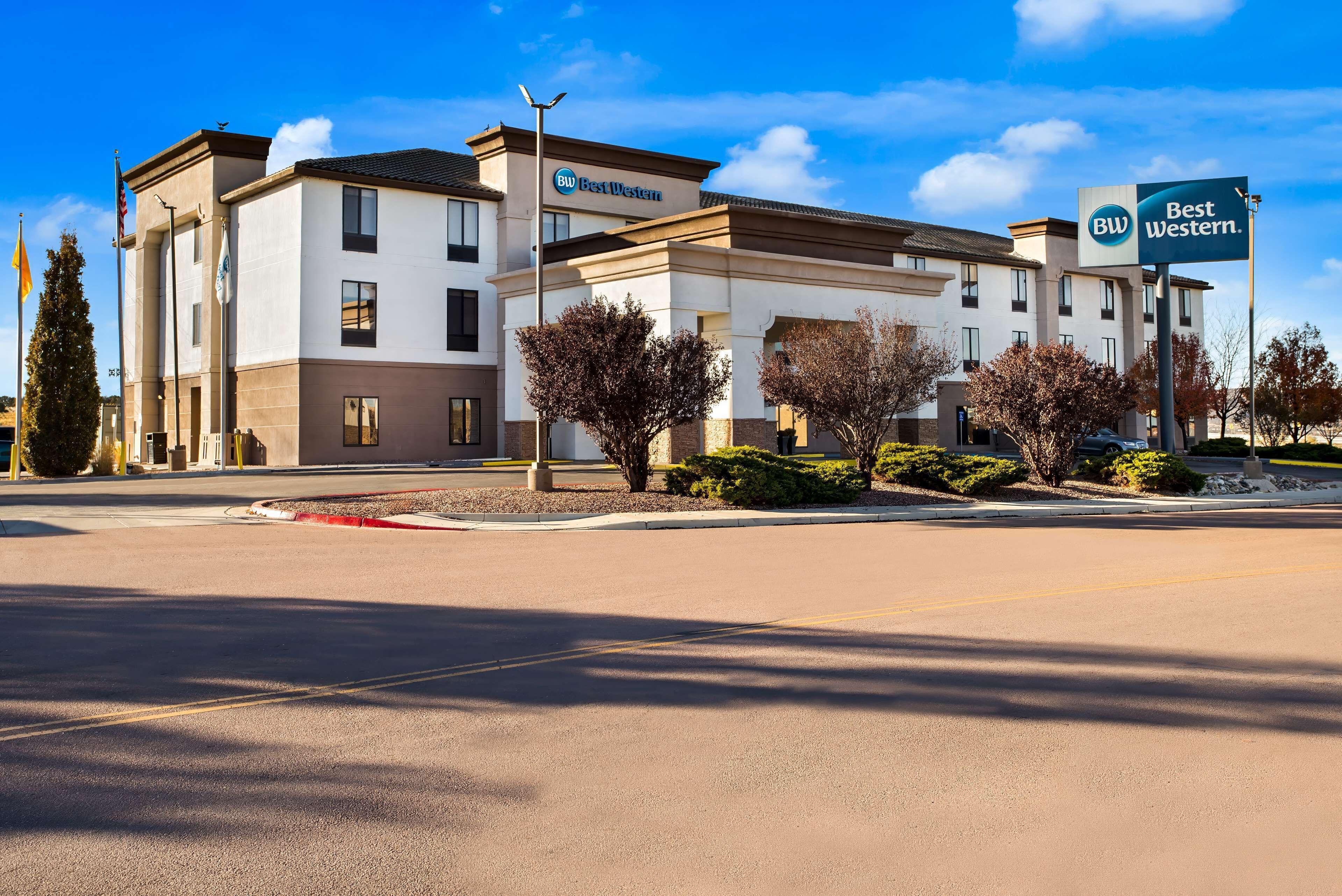
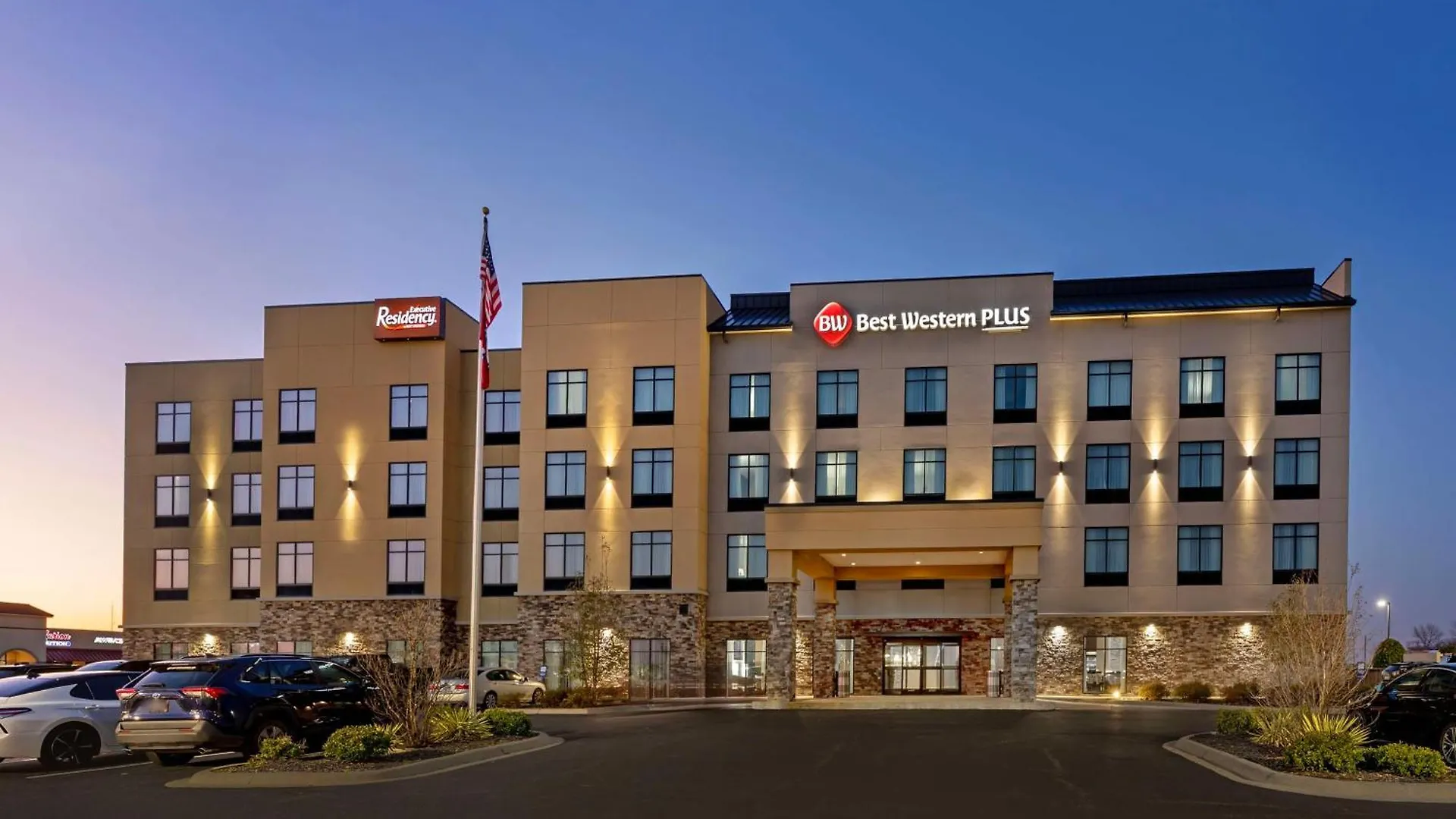
1. Best Western Plus Executive Residency Marion
Show on map


 Check-infrom 15:00 until 23:59Check-outuntil 11:00
Just a few rooms left at the best rate!
fromUS$ 119
-
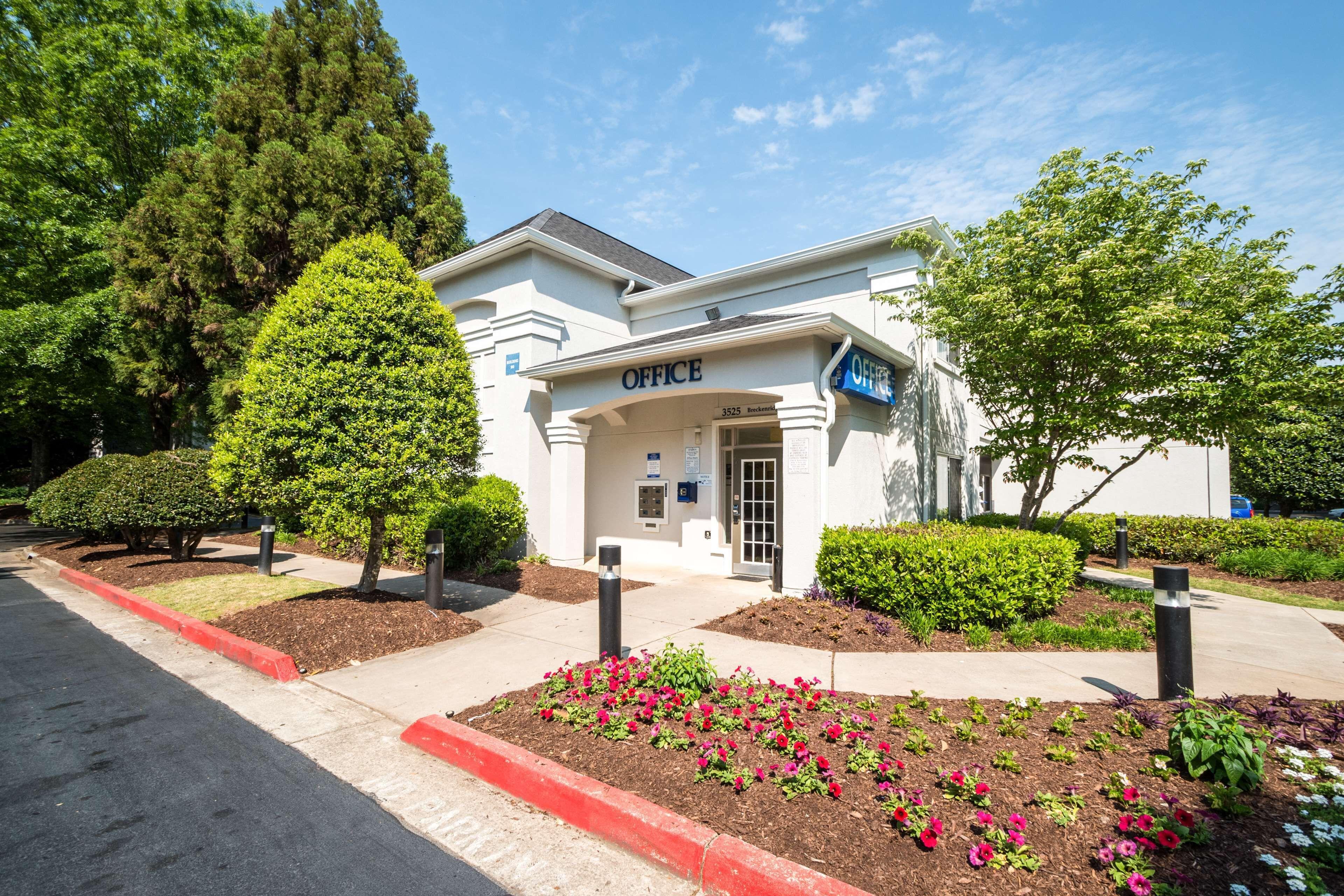
2. Econo Lodge Inn & Suites Little Rock Sw
Show on map


 Check-infrom 15:00 until 23:59Check-outuntil 11:00
Just a few rooms left at the best rate!
fromUS$ 70
-
3. Days Inn By Wyndham Carlisle
Show on map


 Check-infrom 15:00 until 23:59Check-outuntil 11:00
Hurry – almost gone at this price!
fromUS$ 92
Best Premium Option
For travelers who want more than a basic stopover - including leisure amenities, room service, and a distinctive regional location - this property stands above the others in this guide.
-
4. Quality Inn And Suites
Show on map


 Check-infrom 15:00 until 23:59Check-outfrom 06:00 until 11:00
Rooms filling fast – secure the best rate!
fromUS$ 88
Smart Travel & Timing Advice
Spring (March through May) and fall (September through November) are the peak travel windows in Arkansas. Fall is the highest-demand period in the Delta region - particularly around Stuttgart - driven by duck hunting season, which compresses hotel availability dramatically from late October onward. Hot Springs and the Ozarks see heavy leisure traffic in October due to fall foliage, pushing prices up by around 30% versus summer rates at comparable properties. Summer is hot and humid across the state, but hotel rates dip and availability opens, making it the best window for budget-focused travelers. For Little Rock, weekday rates are generally lower than weekends year-round due to the business travel base. Book at least 4 weeks ahead for any November travel in the Delta corridor or fall weekends in the Ozarks. Two nights is typically the minimum that makes logistical sense for any destination in Arkansas given driving distances between attractions.